
No products in the cart.
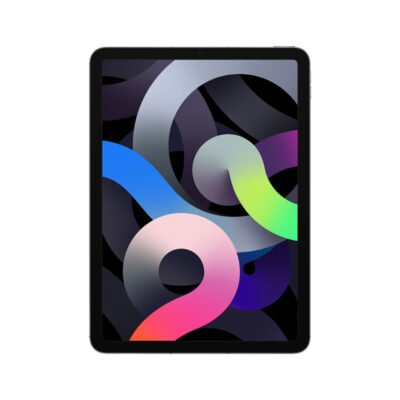





Understanding Premium Electronics: What Sets Them Apart
In the realm of consumer electronics, the term “premium” is often associated with superior build quality, advanced features, and cutting-edge technology. Premium electronics distinguish themselves from standard models through a combination of high-grade materials and meticulous craftsmanship. This attention to detail ensures not only an aesthetically pleasing product but also one that is robust and durable.
One of the primary aspects that set premium electronics apart is the use of high-quality materials. Whether it’s the sleek aluminum bodies of high-end laptops or the durable glass screens of flagship smartphones, these materials contribute to both the longevity and the premium feel of the product. In addition to materials, premium electronics often incorporate the latest technology, offering features that standard models may lack. This could include high-resolution displays, superior audio quality, faster processors, and enhanced connectivity options.
Advanced features are another hallmark of premium electronics. For instance, high-end smartphones might boast superior camera systems with multiple lenses, enhanced low-light performance, and sophisticated image processing algorithms. Similarly, premium laptops often come equipped with powerful processors, ample storage options, and high-resolution displays. These features not only improve the performance but also enhance the overall user experience.
Investing in premium electronics comes with a host of benefits. Enhanced performance is a significant advantage, as these devices are typically designed to handle more demanding tasks with ease. Durability is another key benefit, as premium products are often built to last, reducing the need for frequent replacements. Moreover, the overall user experience is usually superior, with smoother operation, better ergonomics, and a more refined interface.
Popular brands like Apple, Samsung, and Sony are renowned for their premium electronics. Products such as the iPhone, Samsung Galaxy S series, and Sony’s high-end audio equipment exemplify what it means to excel in the market. These devices not only meet but often exceed consumer expectations, setting a high bar for quality and innovation.
Reliability in Electronics: Key Factors and How to Choose
Reliability in electronics is a critical consideration for consumers seeking long-term value and performance. The importance of selecting dependable electronic products cannot be overstated, as unreliable electronics can lead to frequent repairs, data loss, and higher overall costs. Several key factors contribute to the reliability of electronics, and understanding these elements can aid in making well-informed purchasing decisions.
One of the foremost indicators of reliability is the reputation of the brand. Established brands with a history of producing high-quality electronics often invest significantly in research and development to ensure their products meet stringent standards. These companies are also more likely to offer comprehensive warranty and support services, providing peace of mind and protection against defects or malfunctions.
User reviews and ratings are invaluable resources when assessing the reliability of electronic products. Real-world experiences shared by other consumers can provide insights into the product’s performance, durability, and potential issues. High ratings and positive feedback are strong indicators of a reliable product, while recurring complaints can signal underlying problems.
Industry certifications also play a crucial role in determining the reliability of electronics. Certifications such as ISO, CE, and RoHS indicate that a product has undergone rigorous testing and meets established quality and safety standards. These certifications can serve as benchmarks for reliability, ensuring that the product adheres to recognized industry practices.
To assess the reliability of an electronic product before making a purchase, it is advisable to research the manufacturer’s history and reputation. Look for information on their commitment to quality, innovation, and customer satisfaction. Additionally, consider durability tests and reviews from credible sources to gauge how well the product withstands real-world usage.
After-sales service is another critical factor. Reliable electronics manufacturers typically offer robust customer support, including easily accessible service centers, responsive helplines, and efficient repair or replacement policies. This level of support can significantly enhance the overall ownership experience and provide assurance in case of any issues.
Real-world examples of reliable electronics include brands like Apple, Samsung, and Sony, which are known for their consistent performance and long-term benefits. Investing in reliable electronics from reputable brands can lead to fewer disruptions, lower maintenance costs, and a more satisfying user experience over time.